“You have to be there,” Canadian Ranger John Mitchell from Dawson always said. Ranger patrolling not only demonstrates a purposeful military presence but is a pathway to cohere a whole-of-society approach to Arctic defence and security. This book provides an intimate overview of Operation NANOOK-TAKUNIQ in July 2025, setting rich historical, geographical, and policy contexts before taking you with the Alert, Mould Bay, and Alpine Teams into some of the remotest regions of Canada’s High Arctic. Operational lessons grounded in the centrality of relationships and partnerships through the eyes, ears, and voices of Canadian Rangers are woven throughout the human stories that defined the operation.


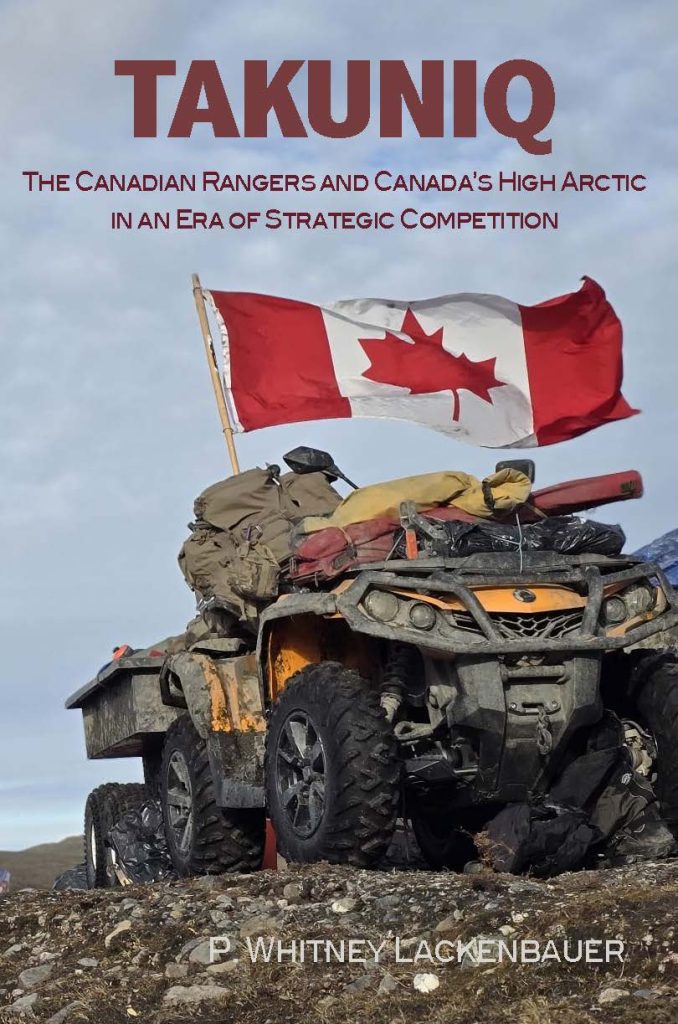
TAKUNIQ: The Canadian Rangers and Canada’s High Arctic in an Era of Strategic Competition
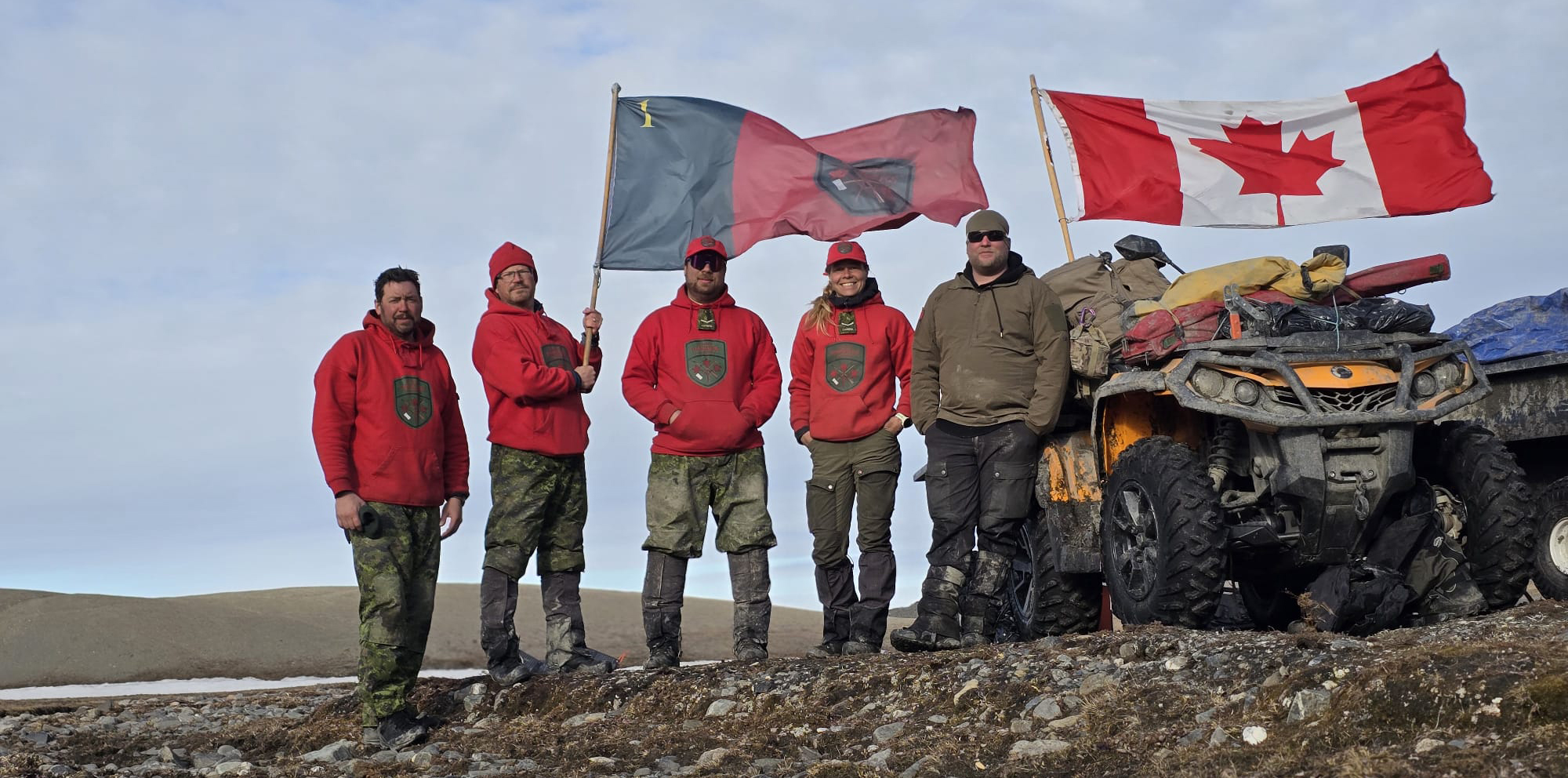
Table of Contents
Foreword – BGen Daniel Rivière
- Setting the Context 1
- The Canadian Rangers: The Eyes, Ears, and Voice of the Military in the Canadian North 26
- Geographical and Historical Context 51
- Conceiving, Planning, and Preparing for Operation NANOOK-TAKUNIQ 95
- Bringing the Teams Together in the Hub of the Canadian Arctic: Resolute Bay 119
- To the Top of the World: Alert Team.. 143
- The Return to Prince Patrick: Mould Bay Team.. 175
- From Tanqueray Fiord to Lake Hazen: The Alpine Team.. 201
- CFS Alert: Past, Present, Future. 231
- “You Have to Be There”. 257
Authors
P. Whitney Lackenbauer
with contributions by Michael Albright, Alexander Boom, Travis Hanes, Maya Poirier, Cath Walsh, and others
From the Foreword by BGen Daniel Rivière, Commander, Joint Task Force North
It is a pleasure and honour to provide a foreword to this book on Operation NANOOK-TAQUNIK (Op NA-TQ). It is a timely addition to the literature on Canadian Armed Forces (CAF) operations, and specifically the exploits of 1st Canadian Ranger Patrol Group (1 CRPG) and 440 (Transport) Squadron (440 Squadron) undertaken in the high latitudes of our country. It also marks a turning point in Canadians’ general awareness of operations undertaken to secure the North Atlantic Treaty Organization’s (NATO) western flank. … By leveraging joint, interagency, industry, academic, and national media partners at the operational level, JTFN was able to unify broad elements of national power, projecting 1 CRPG further and longer across Canada’s High Arctic. Equally important is the requirement to communicate larger Defence Team’s actions and to integrate our strategic communications within Canada and NATO’s overall deterrence strategy. Dr. Whitney Lackenbauer’s work, written in close collaboration with other participants in Op NA-TQ, is an important part of that communication, situating intimate contributions from the team in historical and geopolitical context that illustrates how defence policy plays out under summer blizzards, melting permafrost, and isolation in Canada’s Arctic Archipelago.
This book offers an eclectic and enjoyable narrative produced within six months of mission completion. Intended to reach a broad audience both within and beyond the Defence Team, its value lies in its timeliness and realism in recounting the first-hand experiences of Canadian Rangers and the pressures of designing and expanding High Arctic operations at speed. For military planners and professionals interested in the logistics, communications, and risk challenges of operating in the region, to the casual enthusiast seeking to understand the Rangers’ esprit de corps and sense of humour, to policy buffs interested in practical mechanisms for cohering across the policy/implementation divide, this book will appeal to a diverse range of readers, eager to learn more about Canada’s enduring commitment to defending and protecting its Arctic. Finally, it is a book on Canadian sovereignty and the Defence Team that brings it all together, expressed through the strength of relationships and the resilience of Northern Canadians leading the way.